
Describe the property
Send the location, symptoms, equipment and access details. State whether the work is a repair, replacement or planned project.
For a home in Norfolk, the right duct-cleaning scope depends on the equipment, its layout, and how it has been used. Before requesting an estimate, note the furnace or air-handler location, count accessible supply and return openings, and photograph visible dust or construction debris.
Get A Free QuoteCompare whole-system scope, including negative pressure, branch agitation, accessible trunks, and photos. Tell the provider whether the property is seasonal or occupied year-round.
View scopeDescribe the dryer location, vent length, bends, and exterior hood. Ask whether clearing from both ends and an exhaust check at the termination are included.
View scopeIdentify the equipment and ask whether blower blades, the evaporator coil, cabinet, and condensate path are in scope. Cleaning is separate from mechanical diagnosis.
View scopeFor an HRV or exhaust system, confirm core handling, filter details, and whether the full route to each exterior termination will be inspected and cleared.
View scopeDescribe the odour and its timing. Ask what cleaning must precede treatment, which product is proposed, and what label and re-entry instructions apply.
View scopePhotograph accessible leaks or damaged runs and request a location-by-location scope. Confirm whether joints will be sealed or damaged flex replaced and fastened.
View scopeList rooftop and make-up air equipment, operating constraints, and documentation needs. Ask for a site review to clarify access, scheduling, and scope.
View scopeFor a commercial property in Norfolk, duct-cleaning scope should reflect the equipment, operating schedule, access requirements, and records your organization needs. List rooftop units, make-up air equipment, occupied areas, and any food-preparation or production zones that may affect coordination. Ask whether a site inspection is included before pricing, how work can fit around operations, and what photos or completion records will be supplied. Confirm access, shutdown responsibilities, and any site-specific requirements with the relevant facility contacts.
Compare whole-system scope, including negative pressure, branch agitation, accessible trunks, and photos. Tell the provider whether the property is seasonal or occupied year-round. Describe the dryer location, vent length, bends, and exterior hood. Ask whether clearing from both ends and an exhaust check at the termination are included. Identify the equipment and ask whether blower blades, the evaporator coil, cabinet, and condensate path are in scope. Cleaning is separate from mechanical diagnosis.
For an HRV or exhaust system, confirm core handling, filter details, and whether the full route to each exterior termination will be inspected and cleared. Describe the odour and its timing. Ask what cleaning must precede treatment, which product is proposed, and what label and re-entry instructions apply.
Photograph accessible leaks or damaged runs and request a location-by-location scope. Confirm whether joints will be sealed or damaged flex replaced and fastened. List rooftop and make-up air equipment, operating constraints, and documentation needs. Ask for a site review to clarify access, scheduling, and scope.
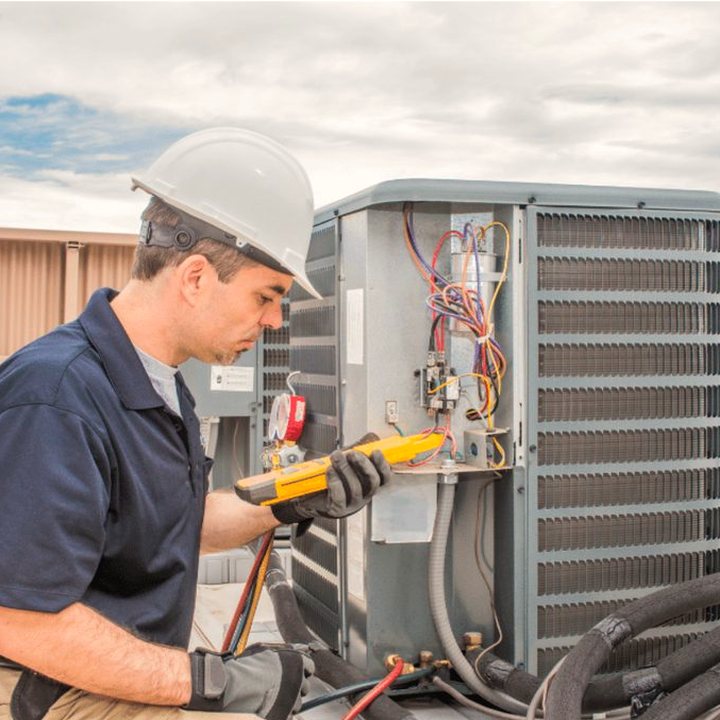
A dryer that takes longer to finish a load can warrant checking the lint screen, exterior hood, and full vent route. For a job in Norfolk, identify where the dryer sits, where the vent exits, and whether the pipe has bends, a long run, or an exterior obstruction. Photograph the termination and note any nesting material or crushed duct you can see safely. Ask whether clearing will proceed from both ends and how exhaust flow will be checked after the work.
Explore this serviceSend the location, symptoms, equipment and access details. State whether the work is a repair, replacement or planned project.
The request is reviewed so the responding provider can clarify the work, property access and service coverage.
Agree the provider identity, qualifications, written scope, pricing and visit window directly. Sending a form does not confirm an appointment.
Ask how the system will be placed under negative pressure and how each branch will be agitated. Suction alone may not dislodge material adhering inside a run. Compare the proposed access points with your system layout, and ask how the crew will protect furnishings and close openings as work progresses. Ask whether before-and-after images will show identifiable parts of your ducts, such as the trunk and branch connections. Photos can help you understand the work completed and flag areas that were inaccessible. Share visible concerns in advance and confirm what documentation is included in the proposed scope.
Compare whole-system scope, including negative pressure, branch agitation, accessible trunks, and photos. Tell the provider whether the property is seasonal or occupied year-round. Describe the dryer location, vent length, bends, and exterior hood. Ask whether clearing from both ends and an exhaust check at the termination are included. Identify the equipment and ask whether blower blades, the evaporator coil, cabinet, and condensate path are in scope. Cleaning is separate from mechanical diagnosis. For an HRV or exhaust system, confirm core handling, filter details, and whether the full route to each exterior termination will be inspected and cleared.
The listed service area includes Simcoe, Port Dover, Port Rowan, St. Williams. Include your postal code and access details in the form so the responding provider can confirm travel and scheduling for your property.
Use the form to describe the property, the symptoms and the work requested. For Simcoe, Port Dover, Port Rowan, St. Williams, include your postal code so local coverage can be checked.
Use the listed places to find a guide or start an inquiry. Include your property address or postal code so the provider can confirm coverage and scheduling.